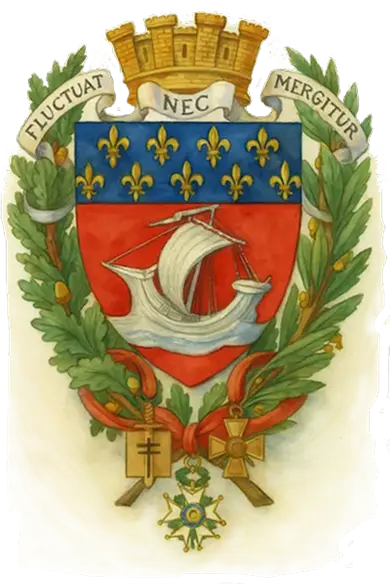
“Beaten by the waves, but never sinking”: this Latin motto, which appeared in the 16th century, describes Paris as depicted on its coat of arms. It was inscribed on the coat of arms at the same time as the building that now houses the Relais du Louvre was constructed. It became official in 1853, appearing on the city’s coat of arms.
Under the management of Sophie Aulnette since its opening in 1991, the hotel will soon celebrate its 35th anniversary. The Relais du Louvre is a youngster compared to its residence. The house that houses the hotel has seen Henri IV, the Sun King, the Revolution, the Belle Époque…
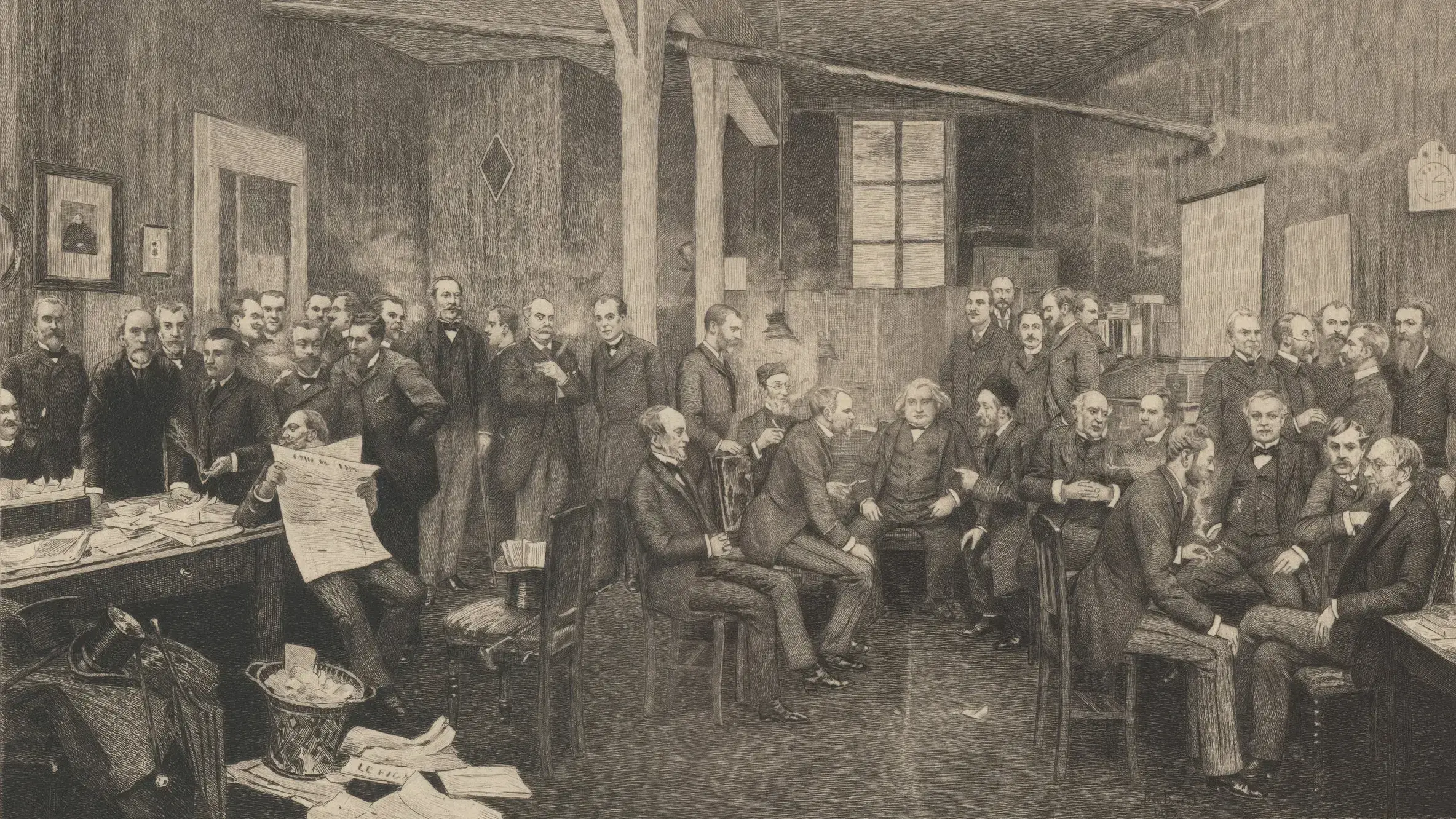
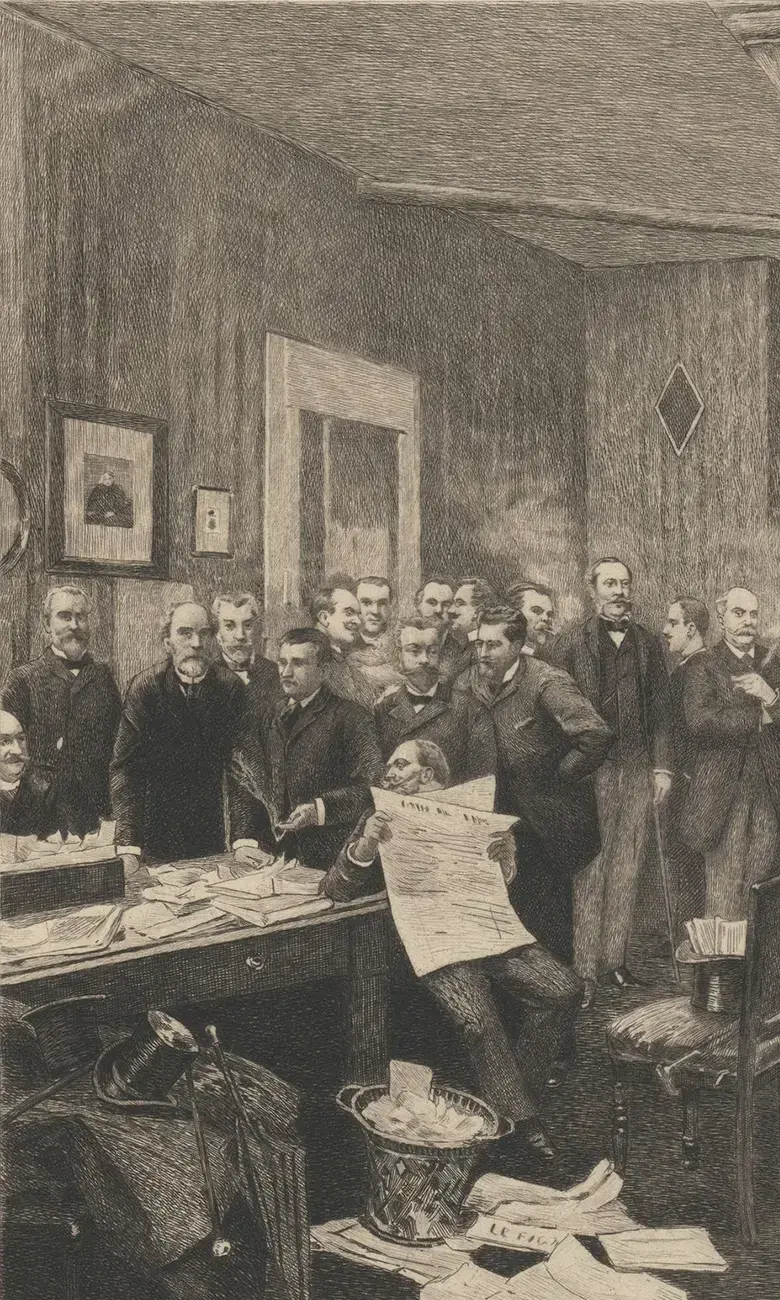
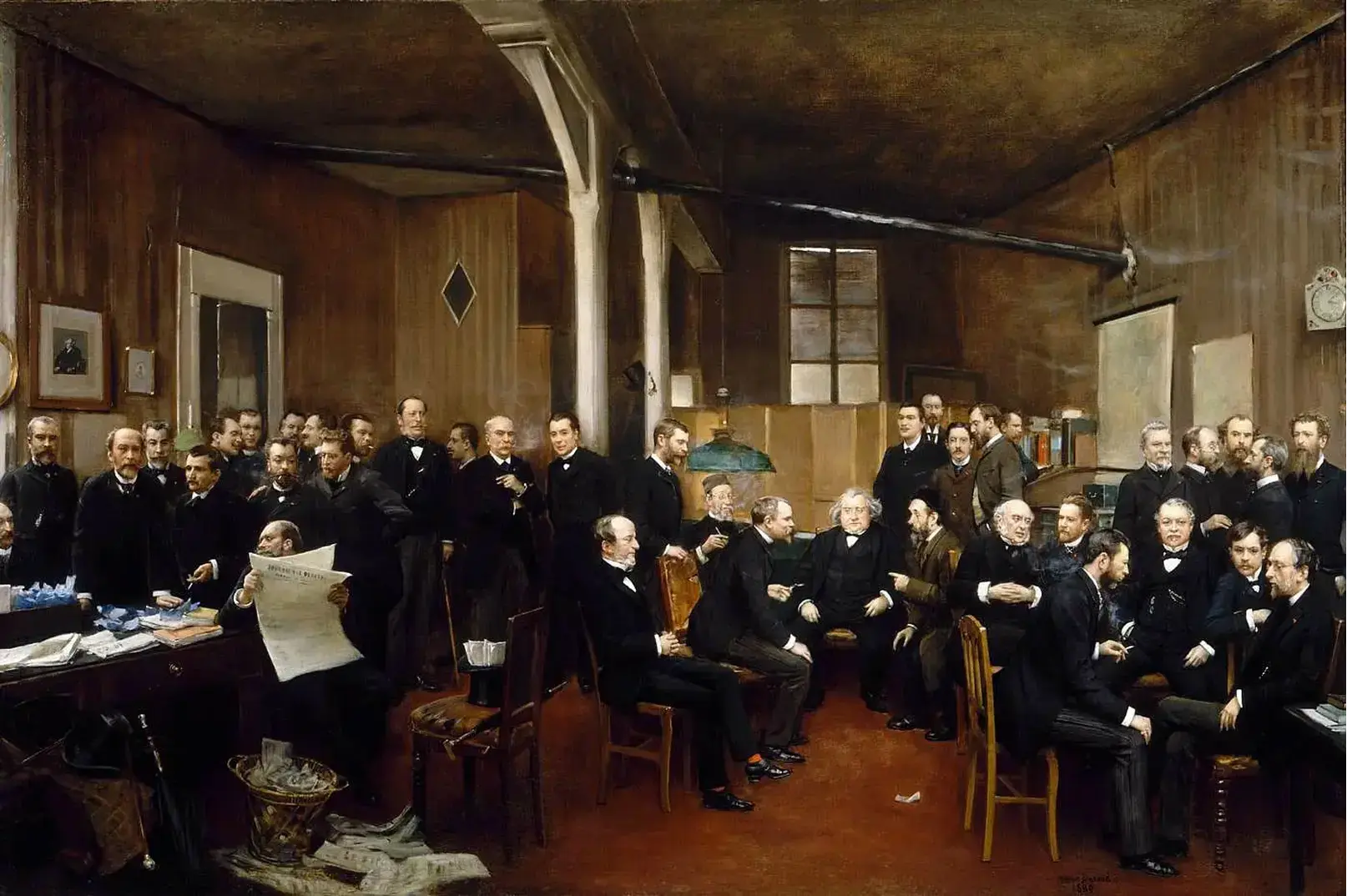
The Bibliothèque Nationale de France holds numerous documents attesting to the Journal des débats’ residence at the current address of the Relais du Louvre.
The Journal des débats was founded during the Revolution of 1789. By 1830, it was one of the most widely circulated newspapers before ceasing publication in 1944. The scene in the painting takes place on the ground floor of the hotel.
Illustrious figures such as Hector Berlioz, Victor Hugo, and Jules Verne published their articles there.
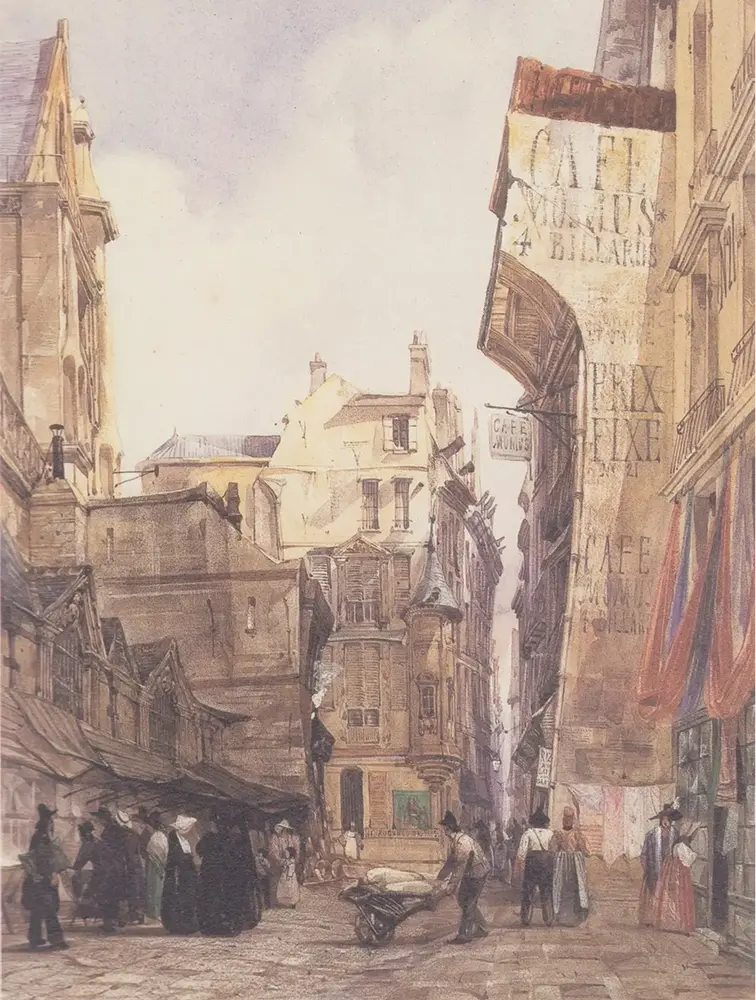
The ground floor and first floor of the current Relais du Louvre were occupied by the famous Café Momus until 1856, as shown in Shotter Boys’ watercolor painting, which also shows that the house still had its gable, characteristic of buildings dating from before the Renaissance.
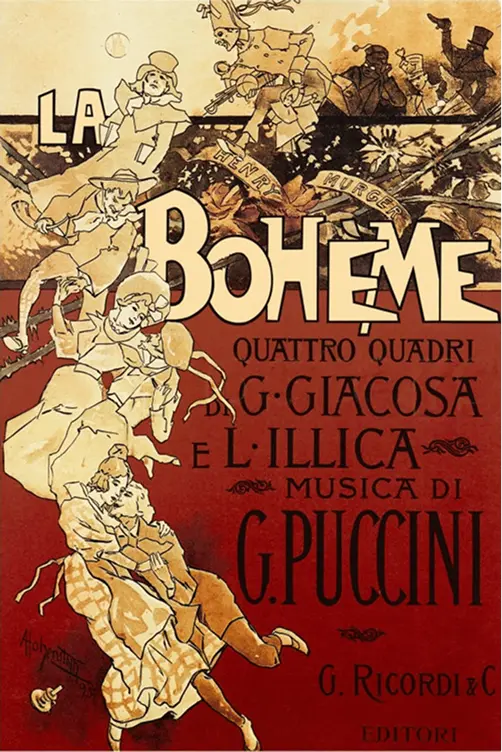
It was in the Café Momus, which seemed proud to have four billiard tables, that some of the scenes from Henri Murger’s La Vie de Bohème, which inspired Puccini’s opera La Bohème, took place. It was also in this café that many celebrities such as Chateaubriand, Nadar, Gustave Courbet, Charles Baudelaire, and others gathered.
The establishment where “half a cup cost only 5 sous,” according to writer Alfred Delveau, went bankrupt and closed in 1856. It was then taken over by the merchant Colin.
It is in the Momus café, which seemed proud to have four billiard tables, that some of the scenes from Henri Murger’s La Vie de Bohème, which inspired Puccini’s opera La Bohème, take place. It is also in this café that many celebrities such as Chateaubriand, Nadar, Gustave Courbet, Charles Baudelaire, and others meet.
The place where “half a cup cost only 5 cents,” according to writer Alfred Delveau, went bankrupt and closed in 1856. Then Colin, a merchant of color, moved in.

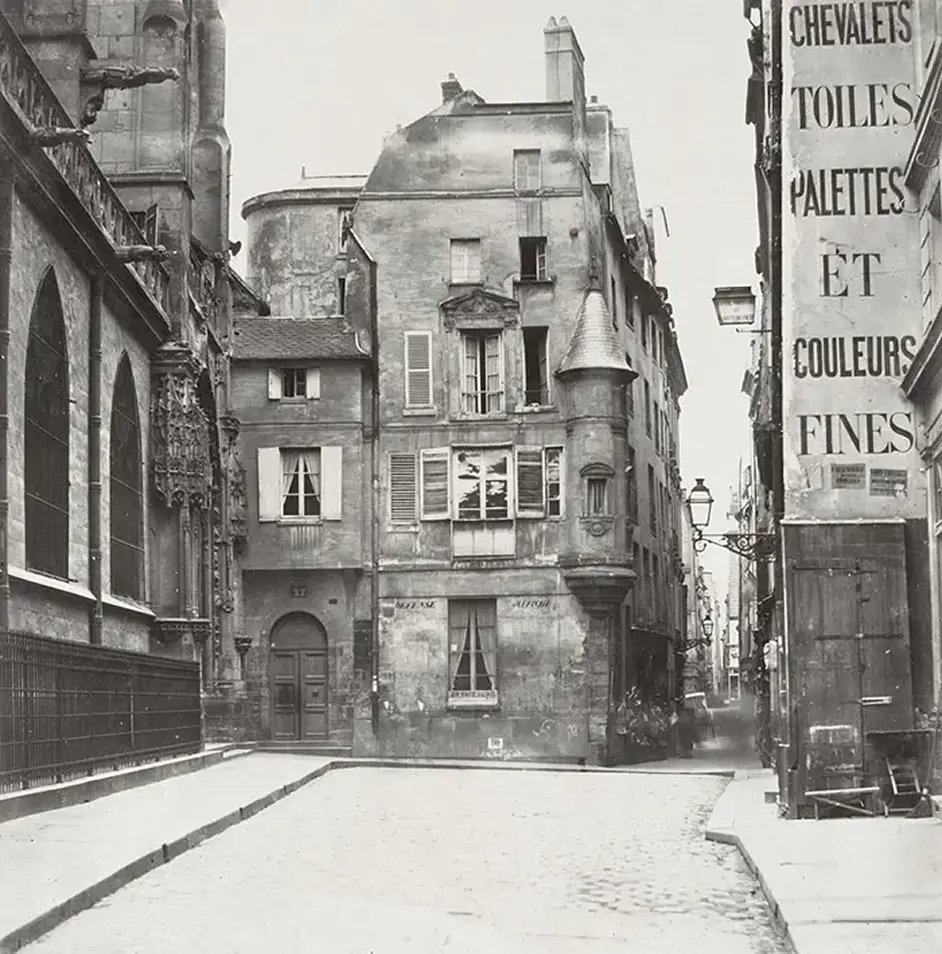
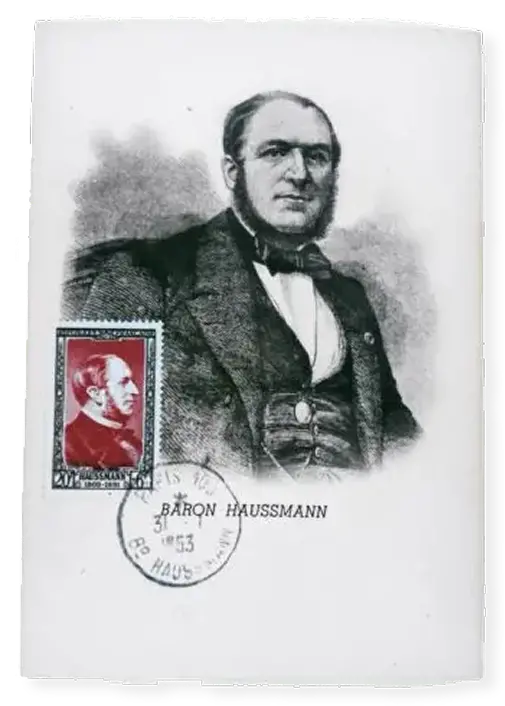
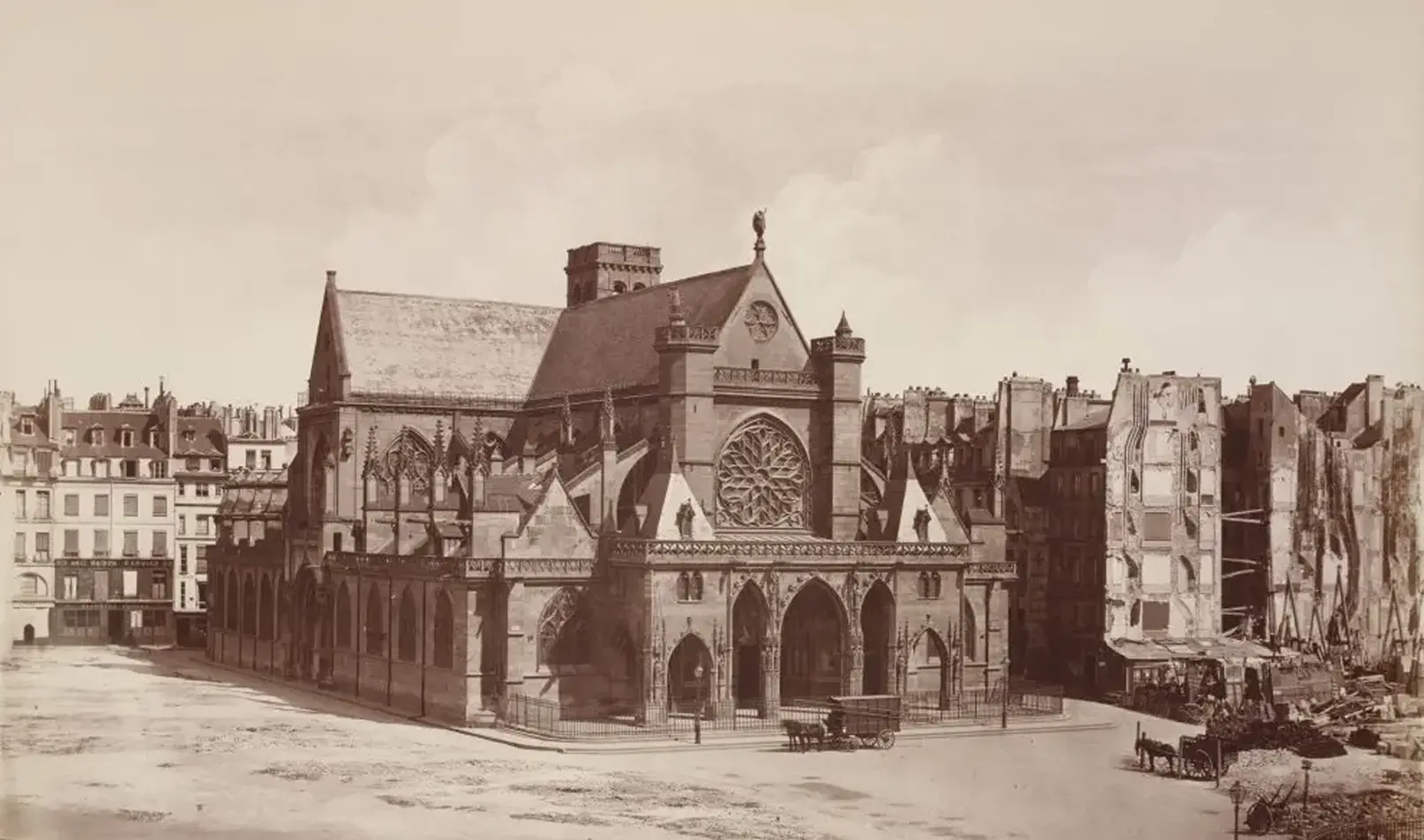
In 1856, the house narrowly escaped demolition during the expansion of the Place du Louvre, as can be seen in a famous photograph by Édouard Baldus. The 20th century approached with the major modernization projects led by Baron Haussmann.